.png)

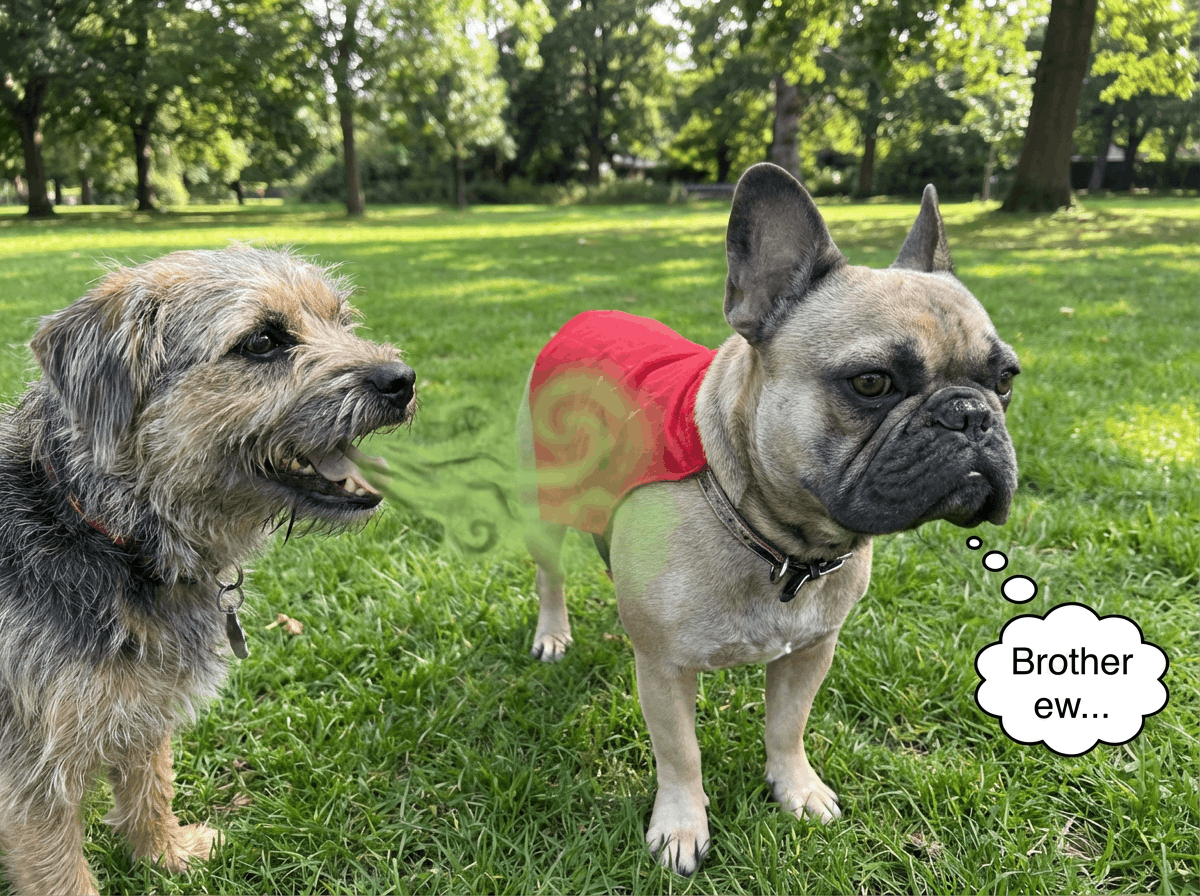
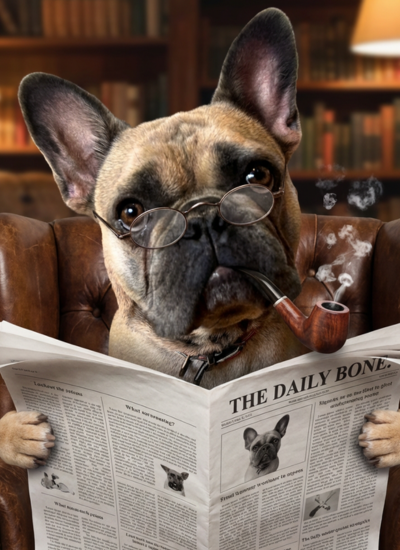
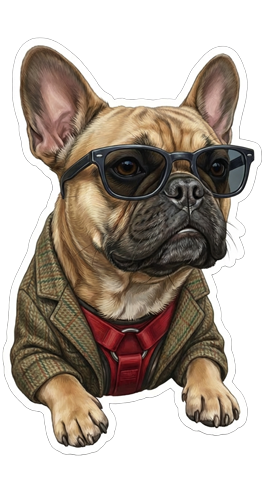
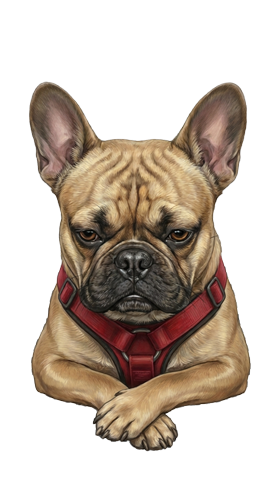
Hi. Eddie here.
French bulldog.
Professional napper.
Snack enthusiast.
Semi-professional leash puller.
Now before you judge me - I don’t pull because I’m rude.
I pull because the world is exciting and my legs are short.
SMELLS. PIGEONS. LEAVES.
You'd pull too.
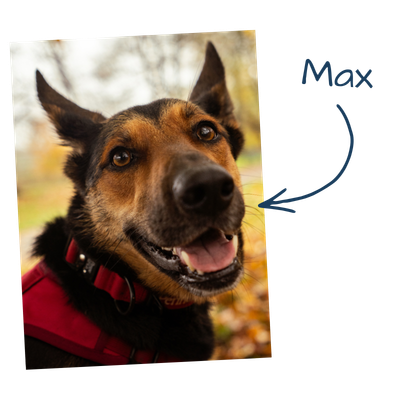
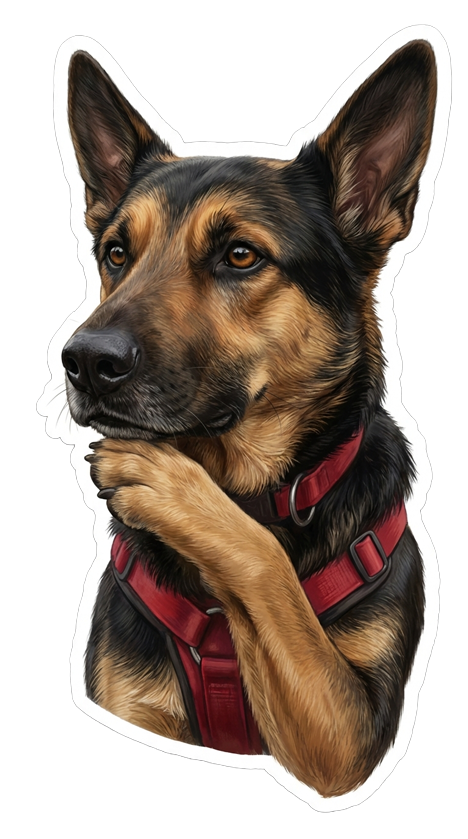
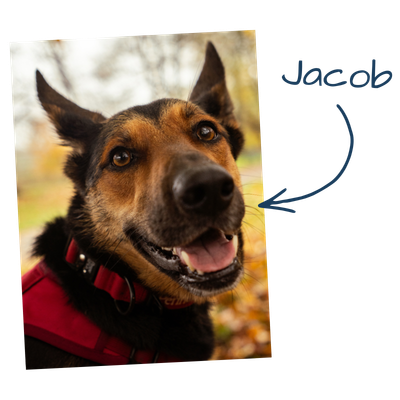
Anyway, my human decided our walks needed “less chaos” (her words), so we tested a few popular harnesses properly. I also brought my mate Max - German Shepherd, very tall, very serious, built like he could tow a car.
We tried:
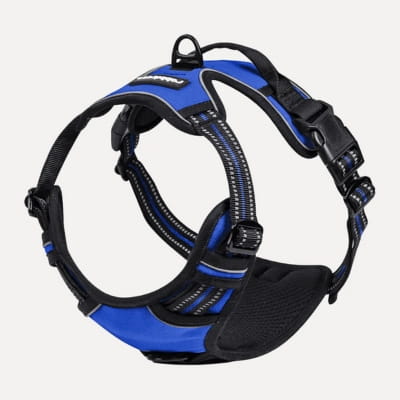
Penne & Co No-Pull Harness
Ruffwear Front Range Harness
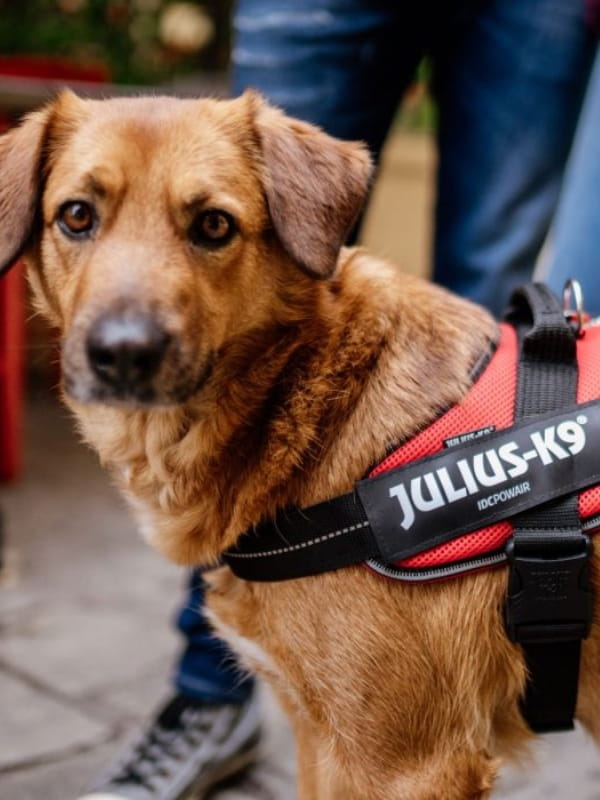
Julius-K9 IDC Powerharness
All good harnesses.
Just designed with very different priorities.
Here's what we learned.
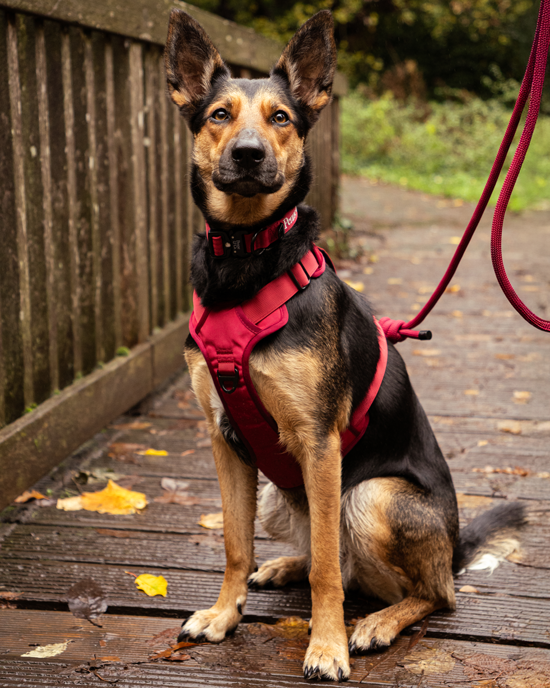
Let’s not dance around it - this is why most humans are here.
What makes Penne & Co stand out is the anti-pull front loop.
When I try to power forward at full French-bulldog enthusiasm, it gently redirects me sideways.
No choking.
No yanking.
No drama.
Just a quiet “nah mate, this way.”
That tiny redirection makes a big difference surprisingly fast.
I tested it properly.
Full body weight. Didn’t work. Which I didn’t love. But I respect it.
If reducing pulling is the problem you’re actually trying to solve, this is where Penne & Co earns its place.
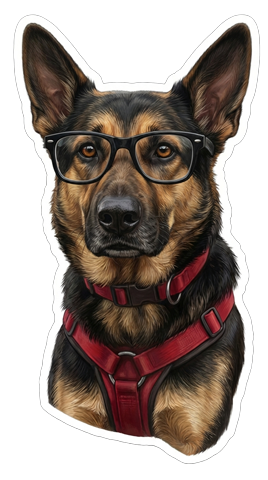
2. If you care about how your dog looks on walks
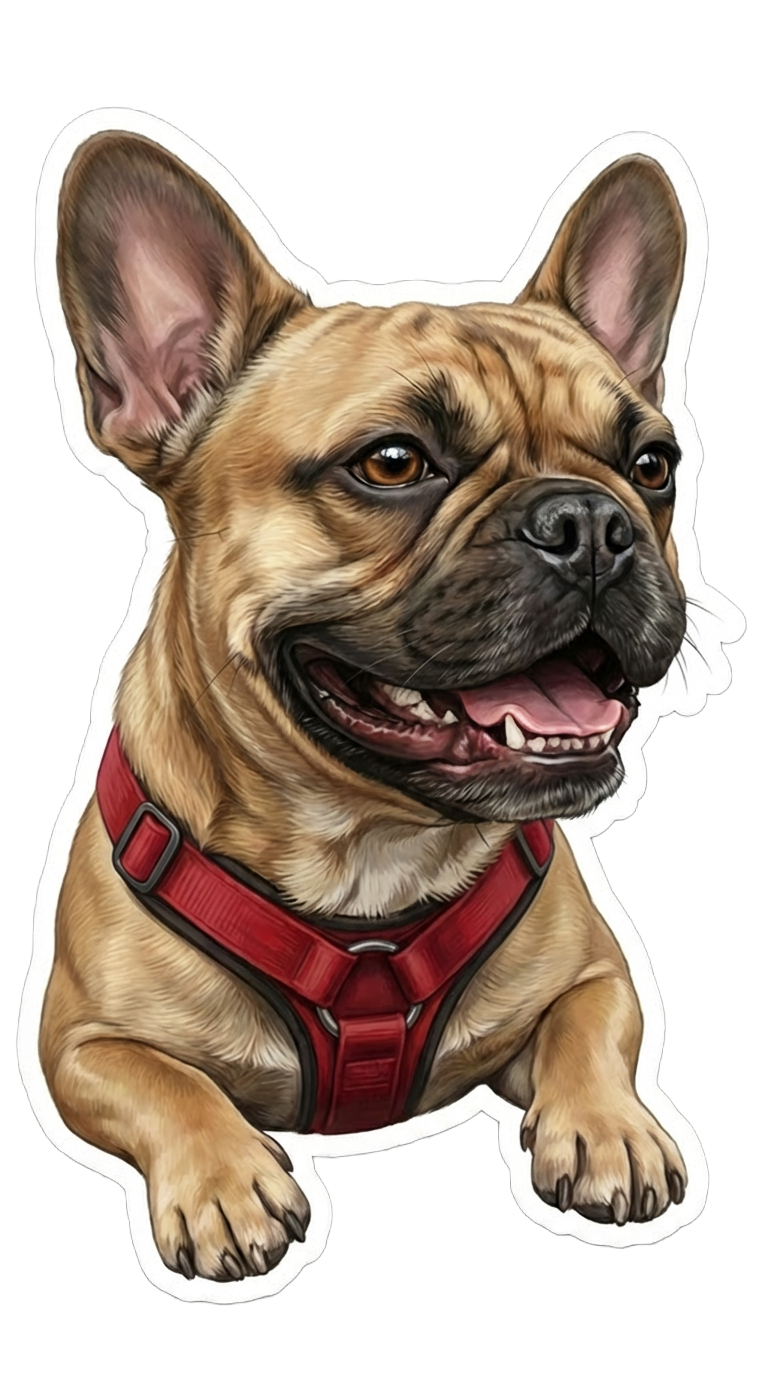
Look.
I didn’t want to bring this up… but I do have a reputation.
Some harnesses make you look like you’re about to join a tactical unit. Others look like someone added straps just for fun.
Penne & Co doesn’t do that.
It sits properly on my body.
Doesn’t swallow me.
Doesn’t distract from my natural charm.
Very important.
And the colours? Not just “red” or “green”.
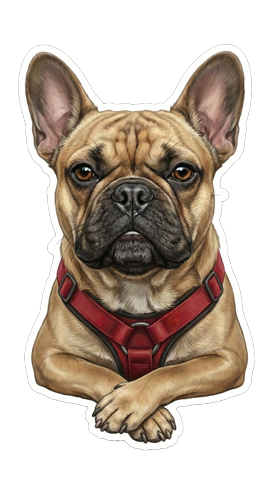
Aston Green. Manzoni Red.
Luxury car energy.
The kind of colours you’d expect on something Italian and expensive - not something I’m about to drag through a hedge (even though I absolutely will).
Yeah, even on bigger dogs it still looks balanced.
Clean.
Calm.
Not shouty.
Exactly.
I can go from park walk to accidental café stop without looking like I’m wearing specialist equipment!
3. If your human is shopping mainly on price
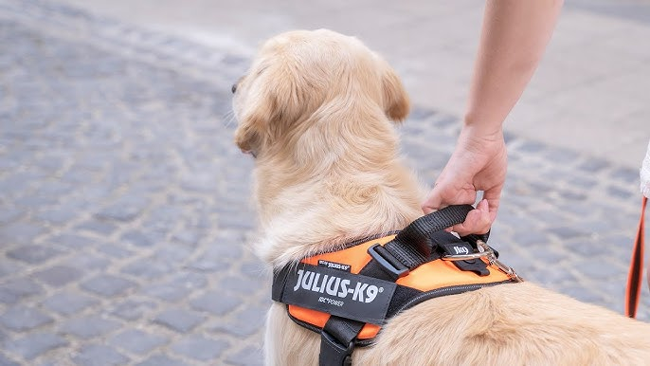
Julius-K9 often comes in cheaper and is still very solid and dependable.
If budget is the main driver and you want something tough and proven, it makes sense.
It’s built for control and durability — especially for strong dogs.
4. If you just want the harness on so the walk can START
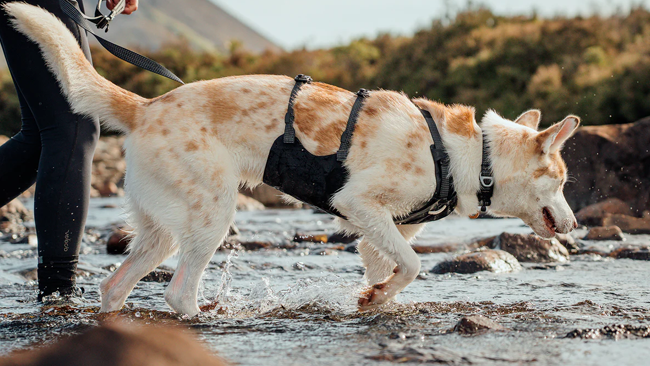
There is nothing - and I mean nothing, more annoying than being extremely ready for a walk……
Only to stand there while your human tries to figure out a harness with six clips, three straps, and a system.
The lead is out. Why are we still here.
This is where Penne & Co and also Ruffwear really shine.
Step in.
Clip.
Go.
No negotiations.
No pre-walk engineering degree required.
Also -
Can we talk about when they accidentally ping your skin doing it up?
I’m like: “Mum… what is this. I’m not into bondage. I just want to chase balls.”
Exactly.
Easy harness = faster walk = happier everyone.
5. If safety really matters (and not just in theory)
Alright. Serious voice for a second.
Good harnesses aren’t just about stopping pulling — they’re about what happens if something goes wrong.
Both Ruffwear and Penne & Co feel properly reinforced. Strong stitching. High-grade materials. The kind of build where if you suddenly see something exciting and forget all your training, nothing is snapping.
But Penne & Co has one extra detail that’s actually worth mentioning.
There’s a small, discreet pocket built into the harness specifically for a tracking device.
Which is clever, because sometimes dogs run off.
Not because we’re bad dogs.
Because… things happen.
Squirrels.
Loud noises.
Unexpected confidence.
Exactly.
If something ever goes sideways, having a tracker on the harness, not dangling, not taped on — gives humans a bit of extra peace of mind.
It’s not dramatic.
It’s just thoughtful.
And if it means my human panics slightly less when I disappear behind a bush for 12 seconds..
I SUPPORT IT!
So… which harness is the overall winner?
Here’s the honest bit.
Most humans aren’t buying a harness because:
it’s the absolute cheapest, or
it’s built for extreme adventures
They’re buying one because walks are harder than they should be — and they want them to feel calmer, simpler, and a bit less stressful.
When you look at what actually improves daily life:
less pulling
quicker, calmer starts
comfort for dogs
something you’re happy to use every single day
and a bit of extra peace of mind, just in case
Penne & Co ticks the most boxes, most often.
It doesn’t just help during the walk. It helps before the walk.
And if something unexpected ever happens, it’s quietly thought ahead too.

Penne & Co Brecon Harness
Best for strong pullers, reactive dogs, daily control

.jpg)
Julius-K9 IDC Powerharness
Best for working dogs


Ruffwear Front Range Harness
Best for hiking, everyday comfort

Yeah.
It’s not overbuilt, but it’s not flimsy either.
It feels… considered.
Which is fancy human talk for:
''It makes walks better.''
And that’s kind of the whole point.
Overall Winner: Penne & Co No-Pull Harness
Actively reduces pulling
Comfortable and easy for daily walks
Quick to put on (critical)
Looks good on short kings and large legends

calmer walks make humans happier.
Happier humans give more snacks.
That’s not marketing. That’s science.
Eddie’s Final Recommendation
If your human is buying one harness -
and wants walks to feel calmer, quicker, and less like a pre-event ritual
Penne & Co is the one we’d point them to.
Now if you’ll excuse me…I heard a bag rustle.
.png)





.jpg)


.png)