Is Raw Feeding Safe for Dogs? What Vets Want You to Know (Pros, Cons & Risks)

Written by

Dr. Kris Latson

Last updated on

January 19, 2026

A human-tested, Eddie-approved guide for dogs with itchiness, allergies, or sensitive skin.

When your dog struggles with redness, paw-licking, dandruff, or “mysterious itchiness that appeared out of nowhere,” the first place to look is their shampoo.

And not just any shampoo - a hypoallergenic, minimal-ingredient, ultra-gentle formula that cleans without stripping natural oils or irritating already-sensitive skin.

I tested five of the best, and Eddie sat through five full baths (with dramatic expressions) to give his side of the story too.

Let’s dive in.

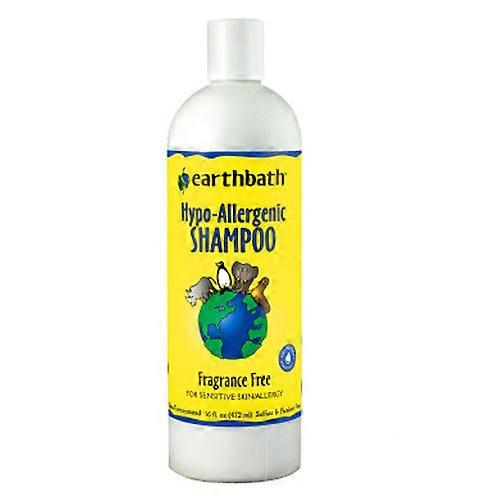
1. Earthbath Hypoallergenic Shea Butter Shampoo

(5/5 paws)

Best for overall sensitive skin.

Earthbath has become a go-to for dogs with allergies, and for good reason. It’s fragrance-free, extremely gentle, and built entirely around soothing dry, reactive skin.

What Stands Out:
  • Shea butter adds moisture without heaviness

  • Aloe vera helps instantly calm red or irritated spots

  • Zero parabens, dyes, sulfates, or perfumes

  • Safe for frequent bathing

It leaves the coat soft, smooth, and clean without overwhelming sensitive skin - especially great for Frenchies, Bulldogs, Cavapoos, Pitties, and any breed prone to flare-ups.

PROS

  • Ultra-gentle and truly hypoallergenic

  • No fragrance (huge for itchy dogs)

  • Excellent for repeat baths

  • Not sticky or greasy

CONS

  • Thick formula; needs thorough rinsing

  • Humans looking for scent won’t get one here

Eddie’s Verdict:

“I finally had a bath where I didn’t plan my escape. 10/10 skin day.”

2. Vet’s Best Hypo-Allergenic Dog Shampoo

(4.5/5 paws)

Best Budget-Friendly Sensitive Shampoo

If you’re bathing your dog weekly because of allergies, dust, or environmental triggers, Vet’s Best is an affordable, gentle choice.

What Stands Out:
  • Aloe vera + vitamin E soothe irritation

  • Light, natural scent that won’t overwhelm

  • Rinses off quickly (less bath drama)

  • Vet-formulated

This is the one I’d recommend for dogs who need regular bathing, but don’t have severe skin reactions.

PROS

  • Great price

  • Easy to lather and rinse

  • Good for mild-to-moderate itchiness

  • Skin feels soft afterward

CONS

  • Not strong enough for major flare-ups

  • Light scent may still bother highly reactive dogs

eddie's verdict:

“Didn’t itch, didn’t stink, didn’t complain. Respect.”

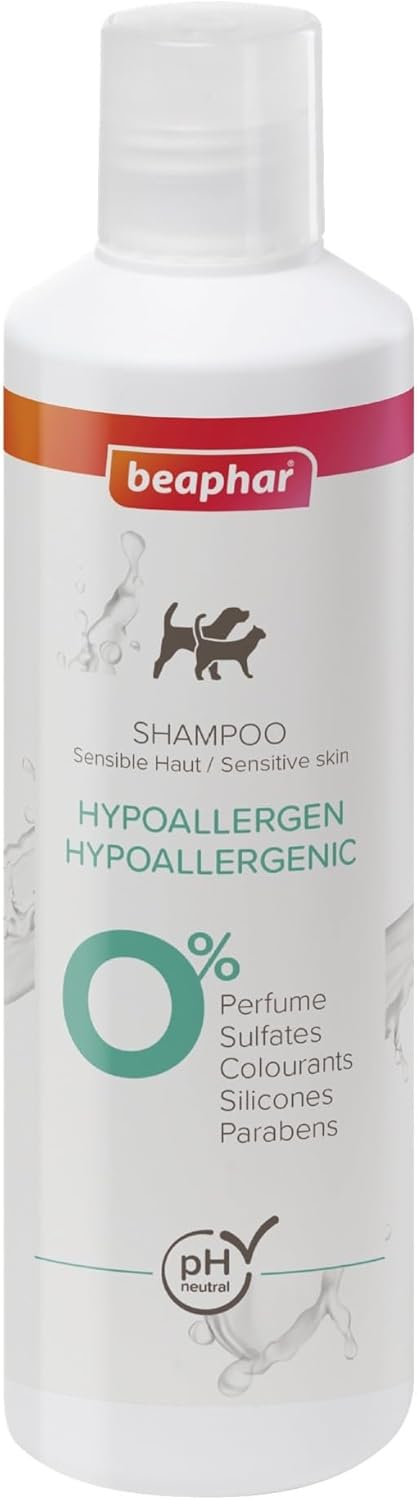
3. Beaphar Sensitive Skin Hypoallergenic Shampoo

(4.5/5 paws)

Best for Red, Reactive, or Very Sensitive Skin

This shampoo is a sleeper hit - incredibly gentle and ideal for dogs who seem to react to practically everything. The formula is simple, minimal, and calming.

What Stands Out:
  • Bare-minimum ingredient list

  • No fragrances at all

  • Aloe vera extract for soothing

  • Perfect for flare-up days

If your dog gets red after baths, scratches immediately, or has ongoing allergy issues, this one performs exceptionally well.

PROS

  • One of the gentlest formulas on the market

  • Reduces post-bath licking and scratching

  • Great for Frenchies, Pugs, Staffies, and other sensitive breeds

  • Affordable

CONS

  • No scent (humans may miss this)

  • Low lather (not a problem, but surprising)

eddie's verdict:

“My paws stopped itching. My mood improved. Coincidence? I think not.”

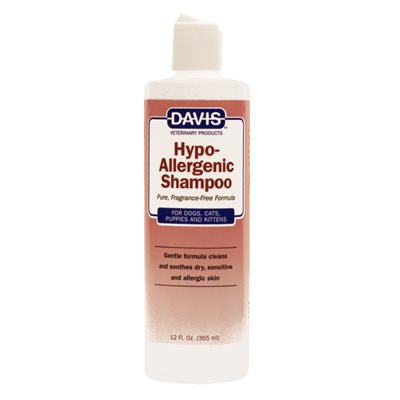
4. Davis Hypoallergenic Shampoo

(4.5/5 paws)

Best for Ultra-Sensitive Dogs & Frequent Baths

Davis has a reputation in the grooming world for being ultra-gentle and reliable. If your dog is prone to skin conditions, infections, or dryness, this shampoo’s simplicity is a lifesaver.

What Stands Out:

  • Tearless, soap-free formula

  • Aloe vera for moisture

  • Great for dogs needing 1–2 baths per week

  • Safe for cats too

It leaves the skin calm and the coat clean, though it isn’t the most luxurious-feeling shampoo.

PROS

  • Excellent for sensitive skin

  • Zero irritation

  • Rinses quickly

  • Groomer-approved

CONS

  • Very plain

  • Doesn’t moisturise as deeply as Earthbath

Eddie’s Verdict:

“Not fancy, but reliable. Like that one biscuit brand every dog trusts.”

5. Nootie Coconut Lime Verbena Hypoallergenic Shampoo

(3.5/5 paws)

Best Smelling Hypoallergenic Shampoo

If you want something gentle but still pleasantly scented, this is a rare hypoallergenic shampoo that smells great without irritating the skin.

What Stands Out:

  • Coconut-based cleansers

  • Light verbena scent

  • No parabens or harsh chemicals

  • Good for dogs who tolerate mild fragrance

It cleans well, leaves the coat fluffy, and adds a spa-day vibe - while still being mild enough for sensitive skin.

PROS

  • Best scent of the group

  • Leaves coat soft and fluffy

  • Good middle-ground for mild skin issues

  • Works well between flare-ups

CONS

  • Not ideal for dogs with fragrance allergies

  • Less soothing than Earthbath or Beaphar

Eddie’s Verdict:

“I smelled like a tropical cocktail. I strutted around on purpose.”

Final Recommendation — Eddie’s Winner

🥇 Earthbath Hypoallergenic Shea Butter Shampoo 🥇

(5/5 paws)

Best for overall sensitive skin.

Earthbath has become a go-to for dogs with allergies, and for good reason. It’s fragrance-free, extremely gentle, and built entirely around soothing dry, reactive skin.

The gentlest, most effective hypoallergenic shampoo we tested. Perfect for dogs with chronic itchiness, red skin, frequent paw-licking, or recurring flare-ups.

Eddie’s Closing Thoughts:

“Finally… a bath that didn’t ruin my week.”

A human-tested, Eddie-approved guide for dogs with itchiness, allergies, or sensitive skin.

When your dog struggles with redness, paw-licking, dandruff, or “mysterious itchiness that appeared out of nowhere,” the first place to look is their shampoo.

And not just any shampoo - a hypoallergenic, minimal-ingredient, ultra-gentle formula that cleans without stripping natural oils or irritating already-sensitive skin.

I tested five of the best, and Eddie sat through five full baths (with dramatic expressions) to give his side of the story too.

Let’s dive in.

1. Earthbath Hypoallergenic Shea Butter Shampoo

(5/5 paws)

Best for overall sensitive skin.

Earthbath has become a go-to for dogs with allergies, and for good reason. It’s fragrance-free, extremely gentle, and built entirely around soothing dry, reactive skin.

What Stands Out:
  • Shea butter adds moisture without heaviness

  • Aloe vera helps instantly calm red or irritated spots

  • Zero parabens, dyes, sulfates, or perfumes

  • Safe for frequent bathing

It leaves the coat soft, smooth, and clean without overwhelming sensitive skin - especially great for Frenchies, Bulldogs, Cavapoos, Pitties, and any breed prone to flare-ups.

PROS

  • Ultra-gentle and truly hypoallergenic

  • No fragrance (huge for itchy dogs)

  • Excellent for repeat baths

  • Not sticky or greasy

CONS

  • Thick formula; needs thorough rinsing

  • Humans looking for scent won’t get one here

Eddie’s Verdict:

“I finally had a bath where I didn’t plan my escape. 10/10 skin day.”

2. Vet’s Best Hypo-Allergenic Dog Shampoo

(4.5/5 paws)

Best Budget-Friendly Sensitive Shampoo

If you’re bathing your dog weekly because of allergies, dust, or environmental triggers, Vet’s Best is an affordable, gentle choice.

What Stands Out:
  • Aloe vera + vitamin E soothe irritation

  • Light, natural scent that won’t overwhelm

  • Rinses off quickly (less bath drama)

  • Vet-formulated

This is the one I’d recommend for dogs who need regular bathing, but don’t have severe skin reactions.

PROS

  • Great price

  • Easy to lather and rinse

  • Good for mild-to-moderate itchiness

  • Skin feels soft afterward

CONS

  • Not strong enough for major flare-ups

  • Light scent may still bother highly reactive dogs

eddie's verdict:

“Didn’t itch, didn’t stink, didn’t complain. Respect.”

3. Beaphar Sensitive Skin Hypoallergenic Shampoo

(4.5/5 paws)

Best for Red, Reactive, or Very Sensitive Skin

This shampoo is a sleeper hit - incredibly gentle and ideal for dogs who seem to react to practically everything. The formula is simple, minimal, and calming.

What Stands Out:
  • Bare-minimum ingredient list

  • No fragrances at all

  • Aloe vera extract for soothing

  • Perfect for flare-up days

If your dog gets red after baths, scratches immediately, or has ongoing allergy issues, this one performs exceptionally well.

PROS

  • One of the gentlest formulas on the market

  • Reduces post-bath licking and scratching

  • Great for Frenchies, Pugs, Staffies, and other sensitive breeds

  • Affordable

CONS

  • No scent (humans may miss this)

  • Low lather (not a problem, but surprising)

eddie's verdict:

“My paws stopped itching. My mood improved. Coincidence? I think not.”

4. Davis Hypoallergenic Shampoo

(4.5/5 paws)

Best for Ultra-Sensitive Dogs & Frequent Baths

Davis has a reputation in the grooming world for being ultra-gentle and reliable. If your dog is prone to skin conditions, infections, or dryness, this shampoo’s simplicity is a lifesaver.

What Stands Out:

  • Tearless, soap-free formula

  • Aloe vera for moisture

  • Great for dogs needing 1–2 baths per week

  • Safe for cats too

It leaves the skin calm and the coat clean, though it isn’t the most luxurious-feeling shampoo.

PROS

  • Excellent for sensitive skin

  • Zero irritation

  • Rinses quickly

  • Groomer-approved

CONS

  • Very plain

  • Doesn’t moisturise as deeply as Earthbath

Eddie’s Verdict:

“Not fancy, but reliable. Like that one biscuit brand every dog trusts.”

5. Nootie Coconut Lime Verbena Hypoallergenic Shampoo

(3.5/5 paws)

Best Smelling Hypoallergenic Shampoo

If you want something gentle but still pleasantly scented, this is a rare hypoallergenic shampoo that smells great without irritating the skin.

What Stands Out:

  • Coconut-based cleansers

  • Light verbena scent

  • No parabens or harsh chemicals

  • Good for dogs who tolerate mild fragrance

It cleans well, leaves the coat fluffy, and adds a spa-day vibe - while still being mild enough for sensitive skin.

PROS

  • Best scent of the group

  • Leaves coat soft and fluffy

  • Good middle-ground for mild skin issues

  • Works well between flare-ups

CONS

  • Not ideal for dogs with fragrance allergies

  • Less soothing than Earthbath or Beaphar

Eddie’s Verdict:

“I smelled like a tropical cocktail. I strutted around on purpose.”

Final Recommendation — Eddie’s Winner

🥇 Earthbath Hypoallergenic Shea Butter Shampoo 🥇

(5/5 paws)

Best for overall sensitive skin.

Earthbath has become a go-to for dogs with allergies, and for good reason. It’s fragrance-free, extremely gentle, and built entirely around soothing dry, reactive skin.

The gentlest, most effective hypoallergenic shampoo we tested. Perfect for dogs with chronic itchiness, red skin, frequent paw-licking, or recurring flare-ups.

Eddie’s Closing Thoughts:

“Finally… a bath that didn’t ruin my week.”

A human-tested, Eddie-approved guide for dogs with itchiness, allergies, or sensitive skin.

When your dog struggles with redness, paw-licking, dandruff, or “mysterious itchiness that appeared out of nowhere,” the first place to look is their shampoo.

And not just any shampoo - a hypoallergenic, minimal-ingredient, ultra-gentle formula that cleans without stripping natural oils or irritating already-sensitive skin.

I tested five of the best, and Eddie sat through five full baths (with dramatic expressions) to give his side of the story too.

Let’s dive in.

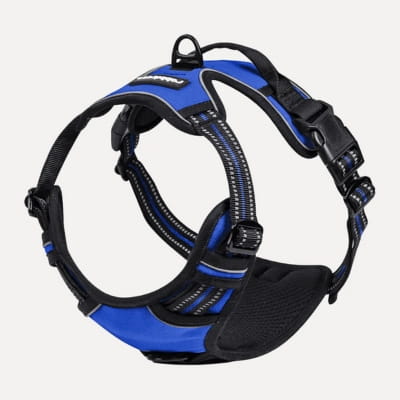
1. Penne & Co Brecon Harness

1
Penne & Co Brecon Harness

(5/5 paws)

Now 10% Off

£69
£62.10
buy now

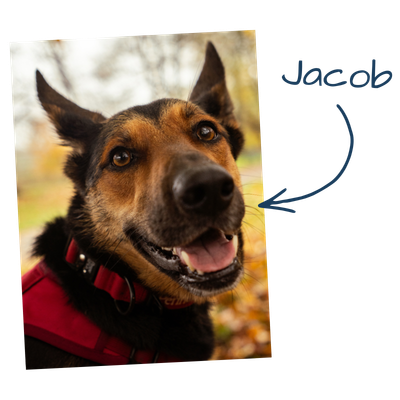
“I pull. It doesn’t budge. I respect that. Jacob and I did our best to break it but we couldn’t even make a dent” - Eddie

If you want a harness that feels specifically engineered for both you and your dog, not just sewn together or dropshipped like all the rest, this is it.

The Penne & Co harness is hands-down the toughest, most thoughtfully designed harness we tested. It doesn’t twist. It doesn’t ride up. It doesn’t choke. And most importantly, it distributes pressure evenly across the chest, so pulling doesn’t turn into coughing, gagging, or panic.

This is the harness that finally made walks feel calm, controlled, and completely drama-free.

What it's made of:
  • Military-grade webbing (thick, abrasion-resistant, no fraying)

  • Reinforced stitching at every load point

  • Front and back leash attachment

  • Structured chest plate for pressure distribution

  • Adjustable fit that actually stays adjusted

  • Heavy-duty metal hardware that apparently can hold a car (not plastic pretending to be tough)

This harness feels like it was built by someone who actually walks strong dogs, not someone who just designs pet products on a laptop. (or orders cheap versions from China)

PROS

  • Extremely durable (no twisting or collapsing)

  • Front clip genuinely reduces pulling

  • No neck pressure or airway restriction

  • Secure fit without rubbing or hotspots

  • Looks really premium without being bulky

  • Works for small dogs and powerful breeds

CONS

  • Slightly premium price (but it earns it)

Eddie’s Verdict:

This is the harness I reach for every single day. Rain, traffic, distractions — it stays solid. I feel supported, not trapped. If your dog pulls, lunges, or thinks they’re a sled dog… this is the one.

2. Ruffwear Front Range Harness

2
Ruffwear Front Range Harness

(4.5/5 paws)

Now 10% Off

£69
£62.10
buy now

“Adventure vibes. Very respectable.” - Eddie

Ruffwear has long been the go-to for outdoorsy dogs, and the Front Range harness earns its reputation. It’s lightweight, durable, and excellent for hiking and everyday use.

It’s not quite as “armoured” and strong as Penne & Co, but it is well made and comfortable for longer wear.

What it's made of:
  • Durable polyester shell

  • Foam-padded chest and belly panels

  • Front and back leash attachment

  • Reflective trim

  • ID pocket

PROS

  • Lightweight but strong

  • Great for long walks and hikes

  • Breathable padding

  • Trusted brand quality

CONS

  • Can twist slightly on hard pullers

  • Front clip less corrective than Penne & Co

  • Not ideal for very reactive dogs

eddie's verdict:

This one feels like a great weekend harness. Comfortable, reliable, but if you’re dealing with serious pulling — you may want something more structured.

3. Kurgo Tru-Fit Enhanced Strength Harness

3
Kurgo Tru-Fit Enhanced Strength Harness

(4/5 paws)

Now 10% Off

£69
£62.10
buy now

“Feels like a seatbelt for my chest.” - Eddie

Kurgo’s Tru-Fit is a popular choice for strong dogs, especially those who travel in cars. It’s crash-tested and built with safety in mind.

While it’s tough, it’s slightly bulkier and less refined in fit compared to the top two.

What Stands Out:
  • Steel-nesting buckles

  • Reinforced chest plate

  • Five adjustment points

  • Front and back leash clips

  • Car-safety certified design

PROS

  • Very strong construction

  • Great for car travel

  • Secure fit for muscular dogs

  • Affordable for its strength level

CONS

  • Bulkier than others

  • Fit can feel stiff and it can rub

  • Less ergonomic for small dogs

eddie's verdict:

Rock-solid, but a bit overbuilt for everyday city walks. Perfect if your dog does a lot of car travel or has Hulk energy.

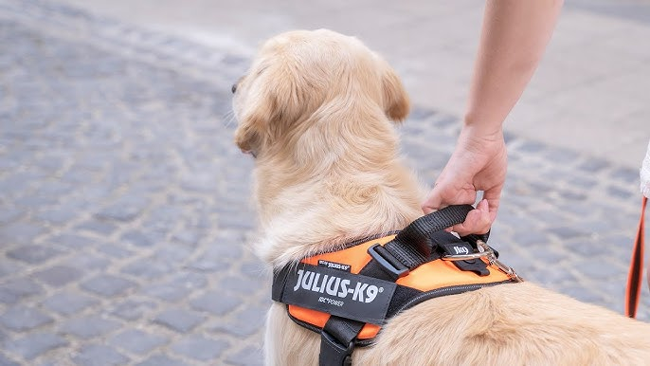
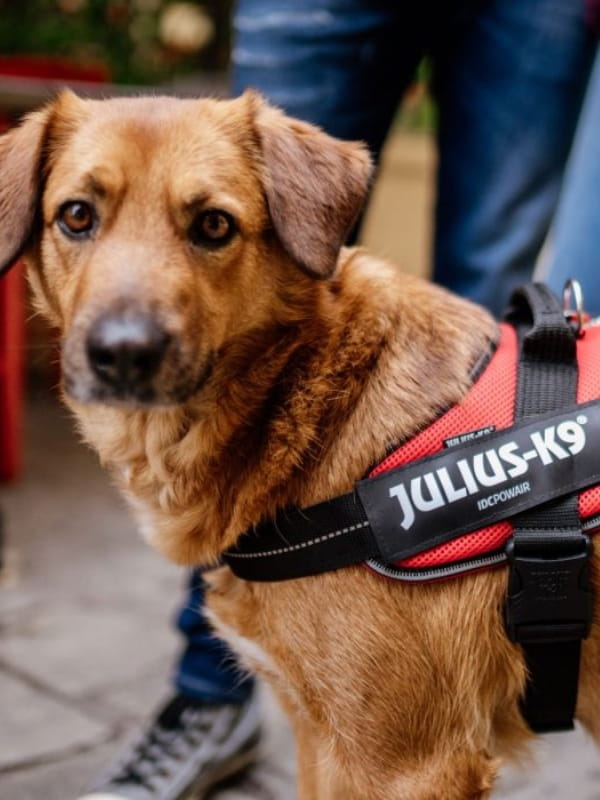
4. Julius-K9 IDC Powerharness

4
Julius-K9 IDC Powerharness

(3.5/5 paws)

Now 10% Off

£69
£62.10
buy now

What Stands Out:

  • Tearless, soap-free formula

  • Aloe vera for moisture

  • Great for dogs needing 1–2 baths per week

  • Safe for cats too

It leaves the skin calm and the coat clean, though it isn’t the most luxurious-feeling shampoo.

PROS

  • Excellent for sensitive skin

  • Zero irritation

  • Rinses quickly

  • Groomer-approved

CONS

  • Very plain

  • Doesn’t moisturise as deeply as Earthbath

Eddie’s Verdict:

“Not fancy, but reliable. Like that one biscuit brand every dog trusts.”

5. Nootie Coconut Lime Verbena Hypoallergenic Shampoo

(3.5/5 paws)

Best Smelling Hypoallergenic Shampoo

If you want something gentle but still pleasantly scented, this is a rare hypoallergenic shampoo that smells great without irritating the skin.

What Stands Out:

  • Coconut-based cleansers

  • Light verbena scent

  • No parabens or harsh chemicals

  • Good for dogs who tolerate mild fragrance

It cleans well, leaves the coat fluffy, and adds a spa-day vibe - while still being mild enough for sensitive skin.

PROS

  • Best scent of the group

  • Leaves coat soft and fluffy

  • Good middle-ground for mild skin issues

  • Works well between flare-ups

CONS

  • Not ideal for dogs with fragrance allergies

  • Less soothing than Earthbath or Beaphar

Eddie’s Verdict:

“I smelled like a tropical cocktail. I strutted around on purpose.”

Final Recommendation — Eddie’s Winner

🥇 Earthbath Hypoallergenic Shea Butter Shampoo 🥇

(5/5 paws)

Best for overall sensitive skin.

Earthbath has become a go-to for dogs with allergies, and for good reason. It’s fragrance-free, extremely gentle, and built entirely around soothing dry, reactive skin.

The gentlest, most effective hypoallergenic shampoo we tested. Perfect for dogs with chronic itchiness, red skin, frequent paw-licking, or recurring flare-ups.

Eddie’s Closing Thoughts:

“Finally… a bath that didn’t ruin my week.”

A human-tested, Eddie-approved guide for dogs with itchiness, allergies, or sensitive skin.

When your dog struggles with redness, paw-licking, dandruff, or “mysterious itchiness that appeared out of nowhere,” the first place to look is their shampoo.

And not just any shampoo - a hypoallergenic, minimal-ingredient, ultra-gentle formula that cleans without stripping natural oils or irritating already-sensitive skin.

I tested five of the best, and Eddie sat through five full baths (with dramatic expressions) to give his side of the story too.

Let’s dive in.

1. Earthbath Hypoallergenic Shea Butter Shampoo

(5/5 paws)

Best for overall sensitive skin.

Earthbath has become a go-to for dogs with allergies, and for good reason. It’s fragrance-free, extremely gentle, and built entirely around soothing dry, reactive skin.

What Stands Out:
  • Shea butter adds moisture without heaviness

  • Aloe vera helps instantly calm red or irritated spots

  • Zero parabens, dyes, sulfates, or perfumes

  • Safe for frequent bathing

It leaves the coat soft, smooth, and clean without overwhelming sensitive skin - especially great for Frenchies, Bulldogs, Cavapoos, Pitties, and any breed prone to flare-ups.

PROS

  • Ultra-gentle and truly hypoallergenic

  • No fragrance (huge for itchy dogs)

  • Excellent for repeat baths

  • Not sticky or greasy

CONS

  • Thick formula; needs thorough rinsing

  • Humans looking for scent won’t get one here

Eddie’s Verdict:

“I finally had a bath where I didn’t plan my escape. 10/10 skin day.”

2. Vet’s Best Hypo-Allergenic Dog Shampoo

(4.5/5 paws)

Best Budget-Friendly Sensitive Shampoo

If you’re bathing your dog weekly because of allergies, dust, or environmental triggers, Vet’s Best is an affordable, gentle choice.

What Stands Out:
  • Aloe vera + vitamin E soothe irritation

  • Light, natural scent that won’t overwhelm

  • Rinses off quickly (less bath drama)

  • Vet-formulated

This is the one I’d recommend for dogs who need regular bathing, but don’t have severe skin reactions.

PROS

  • Great price

  • Easy to lather and rinse

  • Good for mild-to-moderate itchiness

  • Skin feels soft afterward

CONS

  • Not strong enough for major flare-ups

  • Light scent may still bother highly reactive dogs

eddie's verdict:

“Didn’t itch, didn’t stink, didn’t complain. Respect.”

3. Beaphar Sensitive Skin Hypoallergenic Shampoo

(4.5/5 paws)

Best for Red, Reactive, or Very Sensitive Skin

This shampoo is a sleeper hit - incredibly gentle and ideal for dogs who seem to react to practically everything. The formula is simple, minimal, and calming.

What Stands Out:
  • Bare-minimum ingredient list

  • No fragrances at all

  • Aloe vera extract for soothing

  • Perfect for flare-up days

If your dog gets red after baths, scratches immediately, or has ongoing allergy issues, this one performs exceptionally well.

PROS

  • One of the gentlest formulas on the market

  • Reduces post-bath licking and scratching

  • Great for Frenchies, Pugs, Staffies, and other sensitive breeds

  • Affordable

CONS

  • No scent (humans may miss this)

  • Low lather (not a problem, but surprising)

eddie's verdict:

“My paws stopped itching. My mood improved. Coincidence? I think not.”

4. Davis Hypoallergenic Shampoo

(4.5/5 paws)

Best for Ultra-Sensitive Dogs & Frequent Baths

Davis has a reputation in the grooming world for being ultra-gentle and reliable. If your dog is prone to skin conditions, infections, or dryness, this shampoo’s simplicity is a lifesaver.

What Stands Out:

  • Tearless, soap-free formula

  • Aloe vera for moisture

  • Great for dogs needing 1–2 baths per week

  • Safe for cats too

It leaves the skin calm and the coat clean, though it isn’t the most luxurious-feeling shampoo.

PROS

  • Excellent for sensitive skin

  • Zero irritation

  • Rinses quickly

  • Groomer-approved

CONS

  • Very plain

  • Doesn’t moisturise as deeply as Earthbath

Eddie’s Verdict:

“Not fancy, but reliable. Like that one biscuit brand every dog trusts.”

5. Nootie Coconut Lime Verbena Hypoallergenic Shampoo

(3.5/5 paws)

Best Smelling Hypoallergenic Shampoo

If you want something gentle but still pleasantly scented, this is a rare hypoallergenic shampoo that smells great without irritating the skin.

What Stands Out:

  • Coconut-based cleansers

  • Light verbena scent

  • No parabens or harsh chemicals

  • Good for dogs who tolerate mild fragrance

It cleans well, leaves the coat fluffy, and adds a spa-day vibe - while still being mild enough for sensitive skin.

PROS

  • Best scent of the group

  • Leaves coat soft and fluffy

  • Good middle-ground for mild skin issues

  • Works well between flare-ups

CONS

  • Not ideal for dogs with fragrance allergies

  • Less soothing than Earthbath or Beaphar

Eddie’s Verdict:

“I smelled like a tropical cocktail. I strutted around on purpose.”

Final Recommendation — Eddie’s Winner

🥇 Earthbath Hypoallergenic Shea Butter Shampoo 🥇

(5/5 paws)

Best for overall sensitive skin.

Earthbath has become a go-to for dogs with allergies, and for good reason. It’s fragrance-free, extremely gentle, and built entirely around soothing dry, reactive skin.

The gentlest, most effective hypoallergenic shampoo we tested. Perfect for dogs with chronic itchiness, red skin, frequent paw-licking, or recurring flare-ups.

Eddie’s Closing Thoughts:

“Finally… a bath that didn’t ruin my week.”

When your dog’s kisses go from sweet to… concerning.

If your dog suddenly develops bad breath, you’re not imagining it and it’s almost never random. Sudden halitosis (the fancy word for stinky breath) is often the first sign that something deeper is going on with your dog’s mouth, gut, or overall health.

Some causes are harmless.

Some need attention.

Some are worth calling your vet about sooner rather than later.

This guide breaks down the most common reasons your dog’s breath suddenly smells bad - and what you should do next.

First, Is It Really “Sudden”?

Dogs don’t always show obvious symptoms in the early stages of dental issues. Bad breath may seem like it started overnight, but often it’s been building under the radar.

A sudden shift usually means:
  • A new inflammation or infection

  • Something stuck in the mouth

  • A rapid bacterial change

  • A diet change or digestive upset

  • A more serious medical condition

If your dog’s breath changed within a day or two, pay closer attention.

The 7 Most Common Causes of Sudden Bad Breath in Dogs

1. Dental Disease (The #1 Cause)

Most cases trace back to dental problems - even in young dogs.

What’s happening:

  • Plaque turning into tartar

  • Gum inflammation (gingivitis)

  • Early or advanced periodontal disease

  • Infection around a tooth

What it smells like:

Rotten, fishy, or metallic odor.

What to check:

  • Red or swollen gums

  • Yellow/brown buildup on teeth

  • Drooling

  • Pawing at mouth

  • Avoiding hard food or toys

When to call your vet:

If bad breath appears with gum changes, pain, or appetite loss.

2. Something Stuck in the Mouth

A shockingly common cause - especially in dogs who chew sticks, bones, grass, or toys.

What could be stuck:

  • Wood splinters

  • Bone fragments

  • Grass awns

  • Chunks of toy

  • Food debris

What it smells like:

Foul, sour smell caused by trapped bacteria.

Signs to look for:

  • One-sided chewing

  • Drooling

  • Pawing at face

  • Sudden refusal to eat hard food

This requires a quick vet check, especially if it’s sharp or causing pain.

3. Stomach or Gut Upset

Changes in the digestive system can also show up as bad breath.

Causes:

  • Dietary indiscretion (bin diving, street snacks…)

  • A sudden diet change

  • Food intolerances

  • Acid reflux

  • Imbalanced gut bacteria

What it smells like:

Acidic, sour, or “vomit-like” breath

If the smell coincides with soft stool, gas, or vomiting, the gut may be the source.

4. Kidney Problems (Less Common but Important)

Kidney disease can cause ammonia-like or urine-like breath because waste products build up instead of being filtered.

What it smells like:

Strong ammonia or chemical smell

Other symptoms:

  • Drinking more

  • Peeing more

  • Weight loss

  • Lethargy

If you notice this type of smell, call your vet promptly.

Kidney-related breath changes are never something to monitor casually.

5. Diabetes (Sweet or Fruity Breath)

Dogs with undiagnosed diabetes may develop sweet, fruity, or nail-polish-like breath due to ketones.

Other symptoms:

  • Increased appetite

  • Weight loss

  • Excess thirst and urination

  • Lethargy

This smell is a vet-level red flag.

6. Oral Infection or Abscess

A sudden infection around a tooth or under the gumline can create powerful, unpleasant breath seemingly overnight.

Signs:

  • Swelling on one side of face

  • Drooling

  • Pain when chewing

  • Refusing harder food

This requires urgent veterinary treatment.

7. Something They Ate

Let’s address the obvious.

Your dog may have eaten:

  • A dead animal

  • Cat poop

  • Garbage

  • A dirty toy

  • Something rancid or chemically-smelling

This type of bad breath often resolves within 24–48 hours — unless the item caused irritation or infection.

When Is Bad Breath a Veterinary Emergency?

Call your vet if you notice:

  • Ammonia-like or sweet/fruity breath

  • Visible swelling in the face or mouth

  • Bleeding from gums or excessive drooling

  • Your dog won’t eat or can’t chew

  • Vomiting + bad breath

  • Extremely sudden and severe odor

These symptoms can indicate infection, abscess, organ changes, or blockages.

How to Help at Home (If It’s Not Urgent)

Brush Their Teeth (Even Once Helps)

Daily is ideal, but even weekly brushing can improve breath significantly.

Try Dental Chews - Quality Matters

Look for VOHC-approved (Veterinary Oral Health Council) options.

Check for Stuck Debris

Gently lift the lips and inspect around molars and gums.

Add a Vet-Safe Probiotic

Bad breath is often tied to gut imbalance.

Fresh Water - All Day

Dehydration contributes to smelly breath.

Consider a Diet Check

Food intolerances and poor-quality ingredients can lead to gut breath.

The Bottom Line: Bad Breath Is a Symptom, Not a Quirk

Dogs don’t just “get bad breath.”

Something changes inside the mouth, gut, or body to cause it.Most of the time, the cause is dental - and treatable.

Sometimes, it’s a sign of something more serious.

Either way, sudden bad breath deserves attention, not mints.If in doubt, let your vet take a look.

A quick check today prevents bigger problems tomorrow.

If your dog has recently turned their paws into a full-time snack, you’re not alone.

Paw-licking is one of the top 5 most Googled dog behaviours, and for good reason… it’s annoying, worrying, and sometimes loud enough to wake you up at 2AM.

But here’s the truth most owners don’t know:
  • Occasional paw licking is normal.

  • Persistent, intense, or obsessive licking is a sign something deeper is going on.

Below, we break down the real reasons dogs lick their paws, what it means, and most importantly, how you can help your dog feel comfortable again.

Is Paw Licking Normal?

Yes - in moderation. Dogs use their mouths to groom, explore, and soothe themselves.

When should you worry:
  • Your dog licks the same paw repeatedly

  • The skin looks red, stained, swollen, or moist

  • You hear the licking all night

  • They won’t stop even when distracted

  • They suddenly start licking more than usual

Ultimately, consistent paw licking is your dog trying to tell you something.

The 5 Most Common Reasons Dogs Keep Licking Their Paws

Below are the most likely causes, from mild irritations to health issues you should never ignore.Most cases trace back to dental problems - even in young dogs.

#1 Allergies (The #1 Cause of Excessive Paw Licking)

If your dog is licking multiple paws, especially during certain seasons, the culprit is likely allergies.Most cases trace back to dental problems - even in young dogs.

Three types can trigger paw licking:

  • Environmental allergies (pollen, grass, dust mites)

  • Food allergies (typically chicken, beef, dairy, wheat)

  • Contact allergies (cleaning products, lawn treatments)

The tell-tale signs of allergies being the reason are:

  • Red, inflamed paw pads

  • Brown-stained fur between toes

  • Itching elsewhere (ears, belly, armpits)

  • Chewing or gnawing at paws

This happens because allergic inflammation makes paws itch intensely, and licking becomes their way of scratching.

Think like when you have an itch that just won’t go and how frustrating it is… that’s what your dog is suffering with.

Here’s how you can provide relief:

  • Wipe your dogs paws after walks with hypoallergenic wipes

  • Switch to a limited-ingredient diet if food allergies are suspected and remove them one-by-one

  • Talk to your vet about antihistamines or allergy trials

  • Use omega-3 supplements to reduce inflammation

#2 Pain (The Overlooked Reason By Many Dog Owners)

If your dog focuses on one paw only, it is generally an indication that pain might be the cause.

These are some of the things your dog may be suffering with if pain is the cause;

  • Sprains

  • Torn nails

  • Splinters or thorns

  • Interdigital cysts

  • Arthritis in the toes or wrist

  • Soft tissue injuries

Here’s how you can help your pet identify the issue and get them back on the road to recovery:

  • Inspect the paw for foreign objects that should not be there

  • Look closely between toes and pads, some items are very small and easy to miss, you need to really investigate the area.

  • See your vet if your dog is limping, stiff, or sensitive to touch

#3 Parasites (Fleas, Mites, Ticks)

Parasites don’t always show up where you expect them. Mites and fleas often settle around the feet.

These are the signs of your dog suffering with mites and fleas:

  • Intense itching

  • Hair loss around feet

  • Scabs, redness, small bumps

  • Licking paired with biting or scratching

Here’s how you can help provide relief to these pesky insects.

  • Ensure your dog is on monthly flea/tick prevention

  • See your vet for a skin scrape if you suspect mites

  • Wash bedding weekly during flare-ups

#4 Irritants & Seasonal Conditions

Just like humans get irritated skin from chemicals or allergens, dogs react to their environment too. 

Common irritants that will cause your dog to struggle are:

  • Grass

  • Road salt

  • Pesticides

  • Cleaning products

  • Sand

  • Rough or hot pavement

These are the signs your dog is suffering from irritants that are causing them to have a reaction:

  • Licking their paw right after walks

  • It’s red between their claws.

  • Only front or only back paws affected

And here’s how you can help them get through particularly seasonal or irritable times.

  • Rinse or wipe paws after outdoor time

  • Use paw balms to create a protective barrier

  • Avoid walking on salted or chemically treated surfaces

#5 - Anxiety, Boredom, or Compulsive Behaviour

Dogs self-soothe with licking, similar to how humans bite their nails, it can be a compulsive behaviour that can be difficult to train out of them and it can be an issue when they start to lick too much and the skin starts getting sore.

If your dog is suffering from anxiety, boredom or compulsive behaviour then this is what you will likely be seeing:

  • Licking occurs during calm moments

  • Happens when your dog is home alone

  • No redness or physical signs of irritation

  • Restlessness or clingy behaviour

And here’s how to ensure you keep those compulsive behaviours at bay to keep them stimulated and happy.

  • Increase daily enrichment (sniff walks are gold)

  • Provide chew toys, lick mats, puzzle feeders

  • Build predictable routines

  • For severe anxiety, you need to seek professional help, speak to your vet or trainer

Most Importantly - When Should You See a Vet?

You should get a veterinary opinion if:

  • Licking has been going on for more than 48 hours and there is no clear reason.

  • The paw is swollen, red, or smells bad which is signs of an infection, this needs to be seen to quickly

  • There’s bleeding or open sores, these, whilst not only being painful, put your dog at risk of infection and it is important to get them cleaned properly and investigated professionally.

  • Your dog is limping

Most chronic paw licking is not just a habit, it’s a symptom, and it’s your dog trying to tell you they are in discomfort. Don’t ignore their pleas.

Your Action Plan To Help Your Dog Right Now.

Clean and dry the paws thoroughly.

Use gentle, pet-safe wipes. Moisture fuels infection.

Apply a dog-safe barrier balm

Helps with irritants and seasonal dryness.

Give an omega-3 supplement

Reduces inflammation and itching from the inside out.

Add mental enrichment to keep them stimulated

Puzzle feeders, sniff walks, lick mats = lower stress licking.

Switch to a limited-ingredient diet

If food allergies or a sensitive stomach are suspected.

Use a cone or booties (short-term)

Not a cure, but helps prevent self-injury while you treat the cause.

The Big Picture: Your Dog Is Communicating With You

Paw licking isn’t “weird dog stuff.”

It’s your dog saying:“Something isn’t right.”

Whether it’s allergies, infections, boredom, pain, or the environment - your dog is using the only language they have to ask for help.

Decode the behaviour, address the root cause, and you’ll not only stop the licking… you’ll give your dog the comfort and relief they’ve been trying to find on their own.

If you’ve ever walked into your living room only to find your dog enthusiastically humping the couch cushion, you’re not alone - and you’re definitely not the first pet owner to ask why.

While the behavior can be funny (or embarrassing), it often leaves owners puzzled and slightly concerned.

Why is your dog doing this?
  • Is it sexual?

  • Dominant?

  • Stress-related?

In truth, humping - or mounting, as it’s sometimes called - can have many different motivations, and it doesn’t always mean what people think.

In this article, we’ll explore why dogs hump furniture like couches, what it says about their physical or emotional state, and how to manage or redirect the behavior if it becomes problem

The Truth About Dog Humping Behavior

Humping is a natural canine behavior seen in dogs of all ages, breeds, and sexes - even those that have been spayed or neutered.

While the act might look overtly sexual, it’s not always driven by mating instincts. Dogs use humping as a form of expression or relief in various emotional or physical contexts.

So, before you rush to scold your pup or feel embarrassed, it’s important to look at the broader picture.

Here are the main reasons your dog may be targeting your couch.

#1: SEXUAL BEHAVIOR AND HORMONES

Let’s start with the most obvious explanation: sometimes, humping is sexual.

For unneutered males and unspayed females, hormonal surges can lead to increased sexual drive and mounting behaviors - including humping furniture, pillows, or even stuffed toys.

During adolescence, when hormones are peaking, this can be particularly common.

Even after neutering, residual hormones or ingrained habits can cause the behavior to persist for weeks or months. Dogs may also engage in “masturbatory” humping - an instinctive, pleasurable act not necessarily tied to reproduction.

What to do:

If your dog is intact and the behavior is frequent or escalating, consider neutering or spaying after consulting your vet.

For already fixed dogs, redirecting the behavior to an acceptable toy or teaching a “leave it” or “off” command can help.

#2 stress or anxiety relief

Many dogs hump when they’re anxious, overstimulated, or stressed.

The motion and pressure can serve as a self-soothing mechanism, similar to how humans might pace, fidget, or chew their nails.

Triggers could include:

  • Loud noises (like thunderstorms or fireworks)

  • Visitors entering the home

  • Changes in household routine

  • Lack of mental stimulation or exercise

    In these cases, the couch becomes a comfort object - something soft, familiar, and always available.

    What to do:

    If stress is the trigger, look for underlying causes. Increase your dog’s daily exercise, mental enrichment, and positive reinforcement training. Calming tools like lick mats, chew toys, or relaxing music for dogs can also help reduce tension.

    #3 Play or Overexcitement

    Ever noticed your dog start humping during playtime - maybe after chasing a ball or wrestling with another dog?

    That’s not unusual.

    Humping during play isn’t necessarily sexual or dominant; it’s often a response to heightened excitement.

    Some dogs simply don’t know how to channel their arousal (in the emotional sense) and release that energy through mounting.

    This can also happen when guests arrive, during walks, or when the household is busy and noisy.

    What to do:

    If your dog humps the couch during high-energy moments, interrupt calmly - never shout or punish.

    Redirect their focus with a toy, command, or short timeout. Consistent interruption paired with rewarding calm behavior helps dogs learn more appropriate ways to express enthusiasm.

    #4 Attention-Seeking Behavior

    Dogs are masters at identifying what gets your attention - and sometimes, humping the couch works.

    If every time your dog mounts the cushions you react with laughter, yelling, or even just eye contact, they might learn that this behavior earns a guaranteed response.

    For dogs craving interaction, negative attention is still attention.

    What to do:

    Try ignoring the behavior completely when it happens, as long as it’s safe.

    Then, praise and reward your dog for calm, relaxed moments instead. Over time, they’ll associate quiet behavior with positive reinforcement and the humping should diminish.

    #5 Medical Causes

    Sometimes, excessive humping can point to an underlying medical issue.

    Conditions that cause irritation or discomfort around the genitals or urinary tract - like urinary tract infections (UTIs), skin allergies, or prostate problems - can lead to repetitive mounting motions as your dog tries to relieve the sensation.

    Warning signs:

    • Frequent licking of genital area

    • Difficulty urinating

    • Whining or restlessness

    • Humping combined with other changes in behavior

    What to do:

    If your dog’s humping seems sudden, intense, or paired with other symptoms, schedule a vet visit.

    A quick checkup can rule out infections, inflammation, or other issues that might be causing discomfort.

    #6 Boredom and Lack of Stimulation

    A bored dog will find creative ways to entertain themselves - and sometimes, that involves your sofa.

    Without sufficient mental or physical stimulation, dogs may develop repetitive behaviors like chewing, licking, or humping to pass the time.

    What to do:

    Make sure your dog is getting enough:

    • Physical activity: at least 30–60 minutes daily for most breeds

    • Mental exercise: puzzle feeders, scent games, or training drills

    • Social interaction: walks, playdates, or safe group activities

    Keeping your dog’s body and mind active is one of the best ways to curb unwanted habits.

    How to Stop or Redirect Couch Humping

    Once you understand the cause, managing the behavior becomes easier. Here’s a summary of effective strategies:

    • Identify triggers: Observe when and why the humping happens (boredom, stress, visitors, etc.).

    • Interrupt, don’t punish: Use calm verbal cues like “off” or “leave it,” then redirect attention.

    • Offer alternatives: Provide a toy or safe object your dog can mount if needed.

    • Increase exercise: Tired dogs are less likely to hump out of boredom or energy overflow.

    • Reduce stress: Use calming environments, routines, or pheromone diffusers if anxiety is a factor.

    • Ignore attention-seeking: Stay neutral, avoid eye contact, and reinforce calm behavior instead.

    • Consult your vet: If the behavior persists or appears medically linked, seek professional help.

    When to Worry — and When Not To

    Occasional humping is normal, even in well-trained dogs. It’s part of canine communication and self-expression.

    However, if your dog is obsessively humping - multiple times a day, to the point of agitation, or in combination with other behavioral changes, it’s time for a deeper look.

    Behaviorists and veterinarians can help uncover underlying anxiety disorders, hormonal imbalances, or medical discomforts that might be driving the habit.

    Remember: punishment doesn’t work and can make the problem worse by increasing anxiety. Patience, redirection, and understanding go much further.

    The Bottom Line:

    If your dog humps the couch, don’t panic - it’s a common, often harmless behavior.

    Dogs use mounting to express excitement, relieve stress, gain attention, or cope with boredom.

    The key is identifying the why behind the action and addressing it through training, enrichment, or medical care if necessary.

    Your couch might be your dog’s temporary comfort zone, but with the right approach, you can help them channel that energy into healthier outlets - and keep your furniture safe in the process.

    Raw feeding is one of the most debated topics in dog health today.

    Some owners swear by it.

    Some vets caution against it.

    And many dog parents are left stuck in the middle, wondering:

    “Is raw feeding actually safe, or am I playing nutritional roulette?”

    The truth is more nuanced than social media makes it seem.

    Raw diets can work for some dogs… but they also come with real risks that owners need to understand before switching.

    Here’s what vets want you to know, without the hype, fear, or judgement.

    What Is a Raw Diet for Dogs?

    A raw diet (often called BARF — Biologically Appropriate Raw Food) typically includes some combination of:

    • Raw muscle meat

    • Raw bones

    • Organ meats

    • Eggs

    • Vegetables and fruit

    • Supplements (calcium, vitamins, minerals)

    Some owners prepare meals at home, others buy commercial raw food that’s frozen or freeze-dried.

    But not all raw diets are the same and that matters more than most people realise.

    The Potential Benefits of Raw Feeding

    Let’s start with why people choose raw in the first place.

    #1 Improved Coat and Skin (For Some Dogs)

    Some dogs experience:

    • Shinier coats

    • Less dandruff

    • Reduced itching

    This is often due to:

    • Higher protein quality

    • Increased omega-3 intake

    • Removal of ingredients the dog is sensitive to

    #2 Fewer Fillers, More Control

    Raw diets avoid many common kibble fillers like corn, wheat, and soy.

    For dogs with known food sensitivities, this can help settle their stomachs.

    #3 Smaller, Firmer Stools

    Raw diets are highly digestible when balanced properly, often leading to:

    • Less stool volume

    • Firmer consistency

    #4 Appeals to Owners Seeking “Whole Food” Diets

    Many owners like knowing exactly what’s in their dog’s bowl.

    These benefits are real — but they’re not guaranteed, and they depend entirely on how the diet is formulated.

    The Real Risks Vets Worry About

    This is where the conversation often gets uncomfortable but it’s also where honesty matters most.

    #1 Nutritional Imbalances (The Biggest Risk)

    This is the number one reason vets discourage DIY raw diets.

    Common problems include:

    • Too much phosphorus, not enough calcium

    • Vitamin deficiencies (especially vitamin D, E, iodine)

    • Excess vitamin A from too much liver

    • Imbalanced omega-6 to omega-3 ratios

    These issues don’t show up immediately but over months or years, they can lead to:

    • Bone disorders

    • Growth issues in puppies

    • Organ strain

    • Chronic health problems

    A diet can look healthy and still be nutritionally unsafe.

    #2 Bacterial Contamination

    Raw meat can carry:

    • Salmonella

    • E. coli

    • Listeria

    Dogs may tolerate these bacteria better than humans but that doesn’t mean they’re harmless.

    Risks include:

    • Illness in immunocompromised dogs

    • Transmission to humans (especially children, elderly, pregnant people)

    • Contamination of food bowls, surfaces, and hands

    This is a public health concern, not just a pet health issue.

    #3 Bone-Related Injuries

    Raw bones are safer than cooked bones - but they’re not risk-free.

    Possible complications:

    • Chipped or fractured teeth

    • Gastrointestinal blockages

    • Constipation

    • Internal injury

    These cases are uncommon, but vets see them often enough to remain cautious.

    #4 Not Suitable for Every Dog

    Raw feeding is not recommended for:

    • Puppies (unless expertly formulated)

    • Senior dogs with kidney disease

    • Dogs with pancreatitis

    • Dogs with compromised immune systems

    In these cases, raw diets may worsen existing conditions.

    What Vets Actually Agree On

    Contrary to popular belief, most vets aren’t “anti-raw.”

    They’re anti-unsafe feeding.

    Most veterinary professionals agree on these points:

    A properly balanced diet matters more than the format

    Many homemade raw diets are nutritionally incomplete

    Commercial raw diets formulated by veterinary nutritionists are safer than DIY

    Fresh, cooked, or hybrid diets can offer similar benefits with fewer risks

    One diet does not fit every dog

    The goal isn’t ideology, it’s long-term health, and a pet shouldn’t suffer due to ideological beliefs, you need to responsibly weigh all the factors, which is what we are here to help with.

    Is There a Safer Middle Ground?

    Yes, and many vets quietly recommend it.

    Options include:

    • Fresh, gently cooked diets

    • High-quality kibble + fresh toppers

    • Vet-formulated commercial raw diets

    • Rotational feeding (under guidance)

    These approaches often deliver:

    • Better digestion

    • Improved skin health

    • Nutritional completeness

    • Lower contamination risk

    Without the extremes.

    if You’re Considering Raw Feeding, Ask These First

    Before switching, vets recommend asking:

    • Is this diet nutritionally complete for my dog’s age and size?

    • Was it formulated by a veterinary nutritionist?

    • How will I prevent bacterial contamination?

    • Is my dog’s health condition compatible with raw feeding?

    • Am I prepared to monitor bloodwork long-term?

    If those answers feel unclear, pause.

    The Bottom Line: Is Raw Feeding Safe?

    Raw feeding can be safe… but only when done correctly.

    And “correctly” requires far more precision than most owners realise.

    For many dogs, there are safer, simpler ways to achieve the same benefits without the risks.The best diet is not the trendiest one.

    It’s the one that keeps your dog healthy five, ten, and fifteen years from now.

    If you’re unsure, your vet (or a veterinary nutritionist) is your best partner - not social media.

    If you’ve ever watched your dog tilt their head at you like you’ve just tried to explain rocket science to them, here’s some comforting news:

    It’s not them. It’s probably you.

    Dog training isn’t magic, and it’s definitely not instinct. It’s a communication system - one that humans tend to butcher with enthusiasm, repetition, and a sprinkle of unintentional sabotage.

    So let’s break down the five biggest mistakes owners make, why they happen, and how to fix them so you can understand your dog on a deeper level and more importantly, so that they can understand you.

    Mistake 1: Using Words Before Behaviours Exist

    Humans love talking.

    Dogs… not so much.

    Most owners start training like this:

    “Sit… sit… come on, SIT… good boy? No? Sit?”

    Meanwhile your dog is just blinking, absorbing absolutely none of it.

    THE PROBLEM

    Words mean nothing until the action means something.

    Dogs learn in reverse order: behavior > cue > reward.

    THE FIX

    Teach the action first using a hand signal or lure.

    Add the word once the dog is already doing it.

    Reward. Repeat.

    Stop narrating every second of your dog’s life.

    Mistake 2: Accidentally Rewarding the Wrong Behaviour

    Dogs aren’t moral creatures. They’re opportunists with fur.

    They don’t think, “Jumping on Grandma is rude.”

    They think, “I jumped on Grandma and got attention… jackpot.”

    THE PROBLEM

    Your reaction becomes the reward.
    Even negative attention is attention.

    Classic examples:

    You push your dog off → they got touched (reward)

    You shout “No!” → they got engagement (reward)

    You let them pull → they got to move forward (reward)

    THE FIX

    If you don’t want a behaviour repeated, don’t pay it.

    Reward calm, quiet, polite behaviour with the same enthusiasm you give chaos.

    Mistake 3: Expecting Your Dog to “Generalise” (They Won’t)

    “Why does he sit perfectly at home but forgets everything at the park?”

    Because to your dog, the park is a completely different planet - sights, smells, noises, squirrels, grass, the ghost of a discarded sandwich… it’s a sensory warzone.

    #4 Appeals to Owners Seeking “Whole Food” Diets

    Many owners like knowing exactly what’s in their dog’s bowl.

    These benefits are real — but they’re not guaranteed, and they depend entirely on how the diet is formulated.

    THE PROBLEM

    Dogs don’t connect behaviour across locations.

    A trained “sit” indoors is basically meaningless outdoors.

    THE FIX

    Re-teach behaviours in multiple environments:

    ✔ Kitchen
    ✔ Garden
    ✔ Driveway
    ✔ Quiet street
    ✔ Busy street
    ✔ Park

    Each new setting is a new level of the game.

    Don’t skip levels and blame the player.

    Mistake 4: Using Punishment Instead of Understanding

    Punishment feels fast.

    Understanding feels slow.

    But only one actually works long-term.

    THE PROBLEM

    Punishment shuts down behaviour but never solves the cause.

    It can create anxiety, fear, and confusion — all of which fuel more problematic behaviours.

    Instead of “stop that,” think:

    “What do I want instead?”

    THE FIX

    Replace:

    Jumping → ask for “sit”
    Barking → reinforce “quiet”
    Pulling → reward loose leash moments
    Chewing furniture → provide legitimate chewing outlets

    Teaching an alternative is infinitely more effective than yelling into the void.

    Mistake 5: Forgetting That Dogs Need Routines (and Brain Work)

    You know what makes dogs behave like caffeinated toddlers?

    Boredom.

    Bored dogs misbehave.

    Under-stimulated dogs act out.

    Dogs without structure go rogue.

    And yet, most owners accidentally under-deliver on what their dog needs mentally and emotionally.

    THE PROBLEM

    People over-exercise dogs physically and under-exercise them mentally.

    This leads to:

    ✔ Barking
    ✔ Whining
    ✔ Hyperactivity
    ✔ Evening chaos
    ✔ Poor focus during training
    ✔ Pulling on the leash

    “He’s just so energetic” (translation: he’s under-stimulated)

    THE FIX

    Add “brain work” to the daily routine:

    ✔ Sniff-led walks
    ✔ Food puzzles
    ✔ Scent games
    ✔ Lick mats
    ✔ Short obedience drills
    ✔ Foraging activities

    A mentally tired dog makes better decisions.

    A mentally stimulated dog makes fewer bad ones.

    Final Verdict: Most Training Problems Are Human Problems

    The good news?

    Human problems are fixable.

    When you stop over-talking, stop rewarding chaos, stop expecting miracles, stop punishing confusion, and start prioritising mental stimulation…

    You don’t just get a “better behaved” dog.

    You get a dog who:

    • Trusts you

    • Understands you

    • Can focus around distractions

    • Feels calmer

    • Feels safer

    • Actually enjoys learning with you

    That’s the real win.

    Thunderstorms. Fireworks. Even when I leave the house for ten minutes - Eddie used to panic.

    His ears would flatten, he’d start pacing in circles, and the whining wouldn’t stop until I returned.

    At first, I thought it was just a quirk.

    But it quickly became clear: Eddie wasn’t just a little sensitive, he was struggling with real anxiety.

    It broke my heart.

    Seeing him shake during loud noises, or stare at the door every time I picked up my keys, made me feel helpless.

    And like many pet parents, I didn’t want to jump straight to prescription meds if I could help it.

    I wanted something safe, natural, and easy to use. Something that would truly help him feel calm, not sedated.

    Dog training isn’t magic, and it’s definitely not instinct. It’s a communication system - one that humans tend to butcher with enthusiasm, repetition, and a sprinkle of unintentional sabotage.

    That’s when I started researching calming supplements. I tried a few (okay, more than a few), and learned firsthand which ones helped, and which ones were a total waste of money.

    Today, Eddie is a lot more relaxed, and I want to share what actually worked for him. So you don’t have to go through the trial and error I did!

    1. Earthbath Hypoallergenic Shea Butter Shampoo

    (5/5 paws)

    Best for overall sensitive skin.

    Earthbath has become a go-to for dogs with allergies, and for good reason. It’s fragrance-free, extremely gentle, and built entirely around soothing dry, reactive skin.

    Mistake 1: Using Words Before Behaviours Exist

    Humans love talking.

    Dogs… not so much.

    Most owners start training like this:

    “Sit… sit… come on, SIT… good boy? No? Sit?”

    Meanwhile your dog is just blinking, absorbing absolutely none of it.

    THE PROBLEM

    Words mean nothing until the action means something.

    Dogs learn in reverse order: behavior > cue > reward.

    THE FIX

    Teach the action first using a hand signal or lure.

    Add the word once the dog is already doing it.

    Reward. Repeat.

    Stop narrating every second of your dog’s life.

    Mistake 2: Accidentally Rewarding the Wrong Behaviour

    Dogs aren’t moral creatures. They’re opportunists with fur.

    They don’t think, “Jumping on Grandma is rude.”

    They think, “I jumped on Grandma and got attention… jackpot.”

    THE PROBLEM

    Your reaction becomes the reward.
    Even negative attention is attention.

    Classic examples:

    You push your dog off → they got touched (reward)

    You shout “No!” → they got engagement (reward)

    You let them pull → they got to move forward (reward)

    THE FIX

    If you don’t want a behaviour repeated, don’t pay it.

    Reward calm, quiet, polite behaviour with the same enthusiasm you give chaos.

    Mistake 3: Expecting Your Dog to “Generalise” (They Won’t)

    “Why does he sit perfectly at home but forgets everything at the park?”

    Because to your dog, the park is a completely different planet - sights, smells, noises, squirrels, grass, the ghost of a discarded sandwich… it’s a sensory warzone.

    #4 Appeals to Owners Seeking “Whole Food” Diets

    Many owners like knowing exactly what’s in their dog’s bowl.

    These benefits are real — but they’re not guaranteed, and they depend entirely on how the diet is formulated.

    THE PROBLEM

    Dogs don’t connect behaviour across locations.

    A trained “sit” indoors is basically meaningless outdoors.

    THE FIX

    Re-teach behaviours in multiple environments:

    ✔ Kitchen
    ✔ Garden
    ✔ Driveway
    ✔ Quiet street
    ✔ Busy street
    ✔ Park

    Each new setting is a new level of the game.

    Don’t skip levels and blame the player.

    Mistake 4: Using Punishment Instead of Understanding

    Punishment feels fast.

    Understanding feels slow.

    But only one actually works long-term.

    THE PROBLEM

    Punishment shuts down behaviour but never solves the cause.

    It can create anxiety, fear, and confusion — all of which fuel more problematic behaviours.

    Instead of “stop that,” think:

    “What do I want instead?”

    THE FIX

    Replace:

    Jumping → ask for “sit”
    Barking → reinforce “quiet”
    Pulling → reward loose leash moments
    Chewing furniture → provide legitimate chewing outlets

    Teaching an alternative is infinitely more effective than yelling into the void.

    Mistake 5: Forgetting That Dogs Need Routines (and Brain Work)

    You know what makes dogs behave like caffeinated toddlers?

    Boredom.

    Bored dogs misbehave.

    Under-stimulated dogs act out.

    Dogs without structure go rogue.

    And yet, most owners accidentally under-deliver on what their dog needs mentally and emotionally.

    THE PROBLEM

    People over-exercise dogs physically and under-exercise them mentally.

    This leads to:

    ✔ Barking
    ✔ Whining
    ✔ Hyperactivity
    ✔ Evening chaos
    ✔ Poor focus during training
    ✔ Pulling on the leash

    “He’s just so energetic” (translation: he’s under-stimulated)

    THE FIX

    Add “brain work” to the daily routine:

    ✔ Sniff-led walks
    ✔ Food puzzles
    ✔ Scent games
    ✔ Lick mats
    ✔ Short obedience drills
    ✔ Foraging activities

    A mentally tired dog makes better decisions.

    A mentally stimulated dog makes fewer bad ones.

    Final Verdict: Most Training Problems Are Human Problems

    The good news?

    Human problems are fixable.

    When you stop over-talking, stop rewarding chaos, stop expecting miracles, stop punishing confusion, and start prioritising mental stimulation…

    You don’t just get a “better behaved” dog.

    You get a dog who:

    • Trusts you

    • Understands you

    • Can focus around distractions

    • Feels calmer

    • Feels safer

    • Actually enjoys learning with you

    That’s the real win.